SERVICE
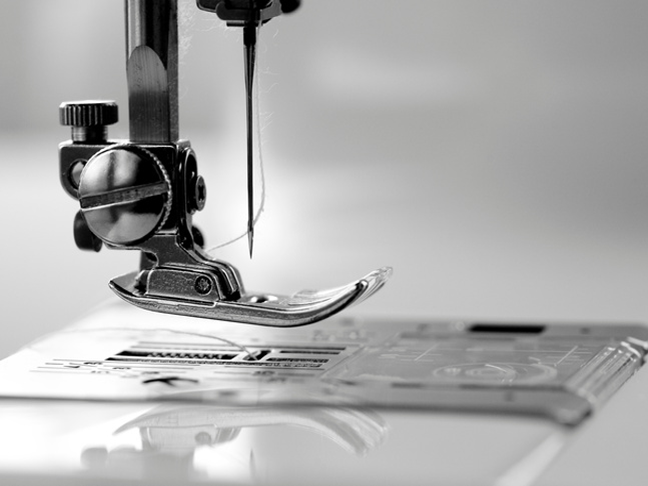
At Limark, we provide top-tier vacuum coating services for textile machinery and sewing machine parts, engineered to enhance their function, durability, and efficiency. Our innovative coating solutions are specifically tailored for the unique challenges of the textile industry, guaranteeing superior performance and prolonged life of critical equipment.
By applying a low-friction coating, we extend the life of needles and other critical components, reducing snagging and thread breakage, which enhances the overall efficiency of textile manufacturing.
Benefits of FCVA in Textile Machinery & Sewing Machine Part:
• Increased Durability: Our coatings drastically improve the wear resistance of textile machinery parts, which are typically subject to continuous use and can suffer from wear and tear. This enhancement in durability leads to fewer replacements and repairs, ultimately saving costs and reducing machine downtime.
• Enhanced Performance: The low-friction coatings ensure that the machinery operates more smoothly and efficiently. This results in higher speed capabilities and fewer interruptions due to thread breakage or component malfunctions, contributing to increased production rates and better quality textile products.
• Improved Product Quality: Coated parts help maintain consistent performance, which is crucial for the quality control of textiles. Uniformity in spinning, weaving, and sewing operations leads to textiles with fewer imperfections, satisfying customer demands for high-quality products.
• Reduced Maintenance Needs: Vacuum coatings can seal surfaces from environmental factors that typically cause corrosion and buildup of materials. This means that parts require less cleaning and maintenance, allowing for longer uninterrupted operation periods.
• Customized Solutions: Different parts of textile machinery might require different properties. Limark offers customized coating solutions that can be tailored not only to the specific part but also to the type of textile being produced, ensuring optimal outcomes across various fabrics and operation conditions.
• Energy Efficiency: By reducing friction and improving component smoothness, our coatings can also decrease the amount of energy needed to operate machinery. This contributes to lower energy costs and supports more sustainable production practices.